Vacuum Forming & Thermoforming.
Large, thin-walled parts formed from sheet — heavy-gauge, cut-sheet, and rotary forming up to 8.5 feet, with in-house CNC tooling and secondary trim.
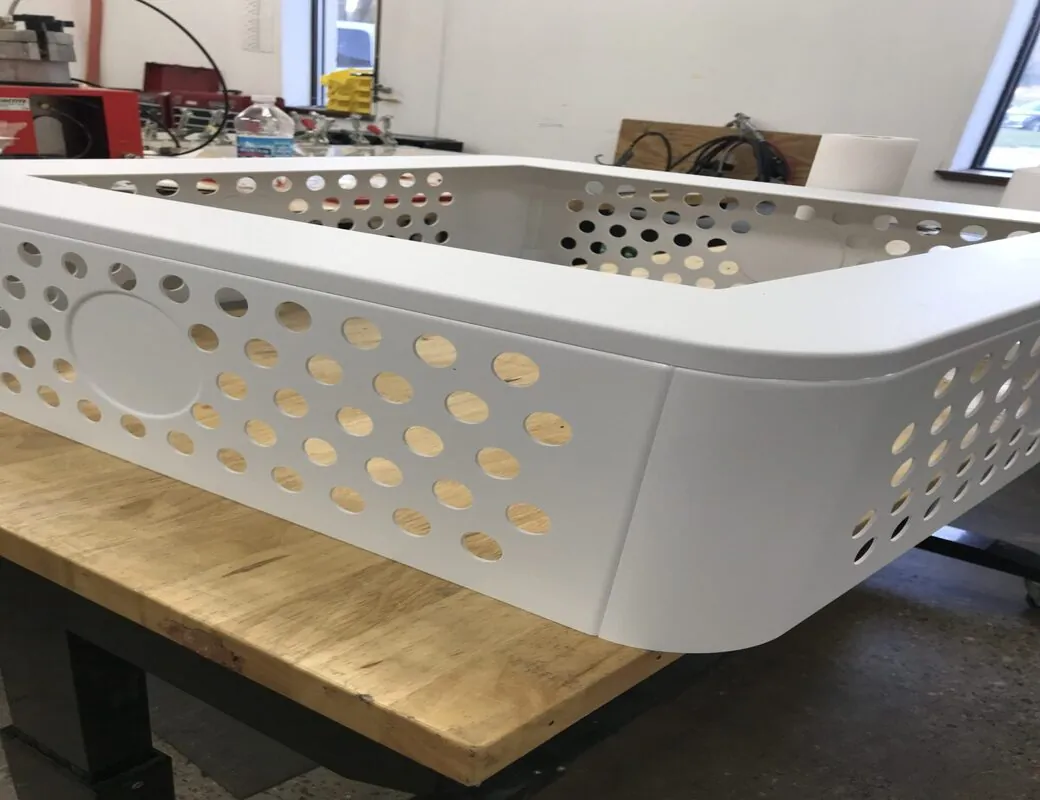
Big parts, lower tooling.
Thermoforming heats a plastic sheet and forms it over a tool. It's the economical route to large parts — tooling costs a fraction of an injection mold, so it pays off at lower volumes.
Heavy-gauge forming handles structural covers and panels; cut-sheet and rotary forming cover everything from trays to enclosures up to 8.5 feet.
- Parts up to 8.5 ft. Large covers, panels, and enclosures.
- Wide thickness range. .040″ to .500″ and beyond.
- In-house CNC tooling. Form tools built and refined in-house.
- CNC secondary trim. Precise, repeatable trimming.
From print to formed production.
Design & tooling
We build form tooling in-house and tune it for your part.
Sheet selection
Material and gauge matched to the application.
Forming
Heavy-gauge, cut-sheet, or rotary forming.
CNC secondary trim
Trimmed to net shape with CNC precision.
Finishing & assembly
Finishing and assembly as required.
Where it fits.
- Large covers & panels. Structural, lightweight enclosures.
- Equipment housings. Machine and instrument shrouds.
- Trays & packaging. Formed trays and protective packaging.
- Structural enclosures. Big parts at low tooling cost.
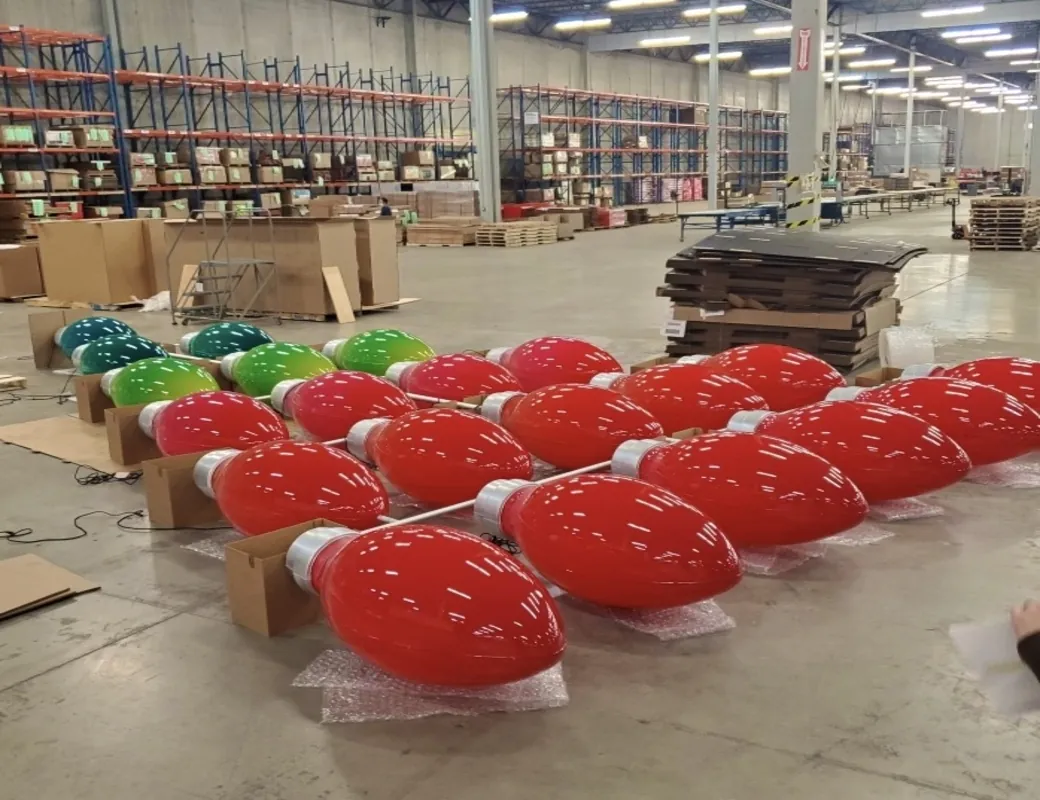
On the floor.
Real parts and tooling, produced through our U.S. manufacturing partner network.

Common questions.
When should I choose thermoforming over injection molding?
How large can you form?
Do you trim the formed parts?
Ready to quote it?
Send your part or print for vacuum / thermoforming and we'll turn a quote around quickly.